Our Storytelling Approach
THE REALITY OF ELITE ADMISSIONS
Why Most Students Blend In
The Resume Recitation: Repeating accomplishments in the personal statement that are already fully detailed in the Common App honors list.
The Overpolished Voice: Relying on standard essay templates, rigid formulas, or AI prompts that strip away authentic teenage personality.
The Checkbox Trap: Packing a schedule with 15 different extracurricular activities to "look good," without building a singular, compelling focus.
What Makes Students Memorable
A Clear Application Narrative: Framing the entire file around a cohesive, unmistakable intellectual theme from page one.
Unfiltered Perspective: Embracing real curiosity, personal developmental arcs, and actual relatable human struggles.
The Deep Impact Project: Showcasing a singular passion project or specialized initiative built out heavily over time.
Great college essays are not just well-written — they tell a meaningful story.
Structure
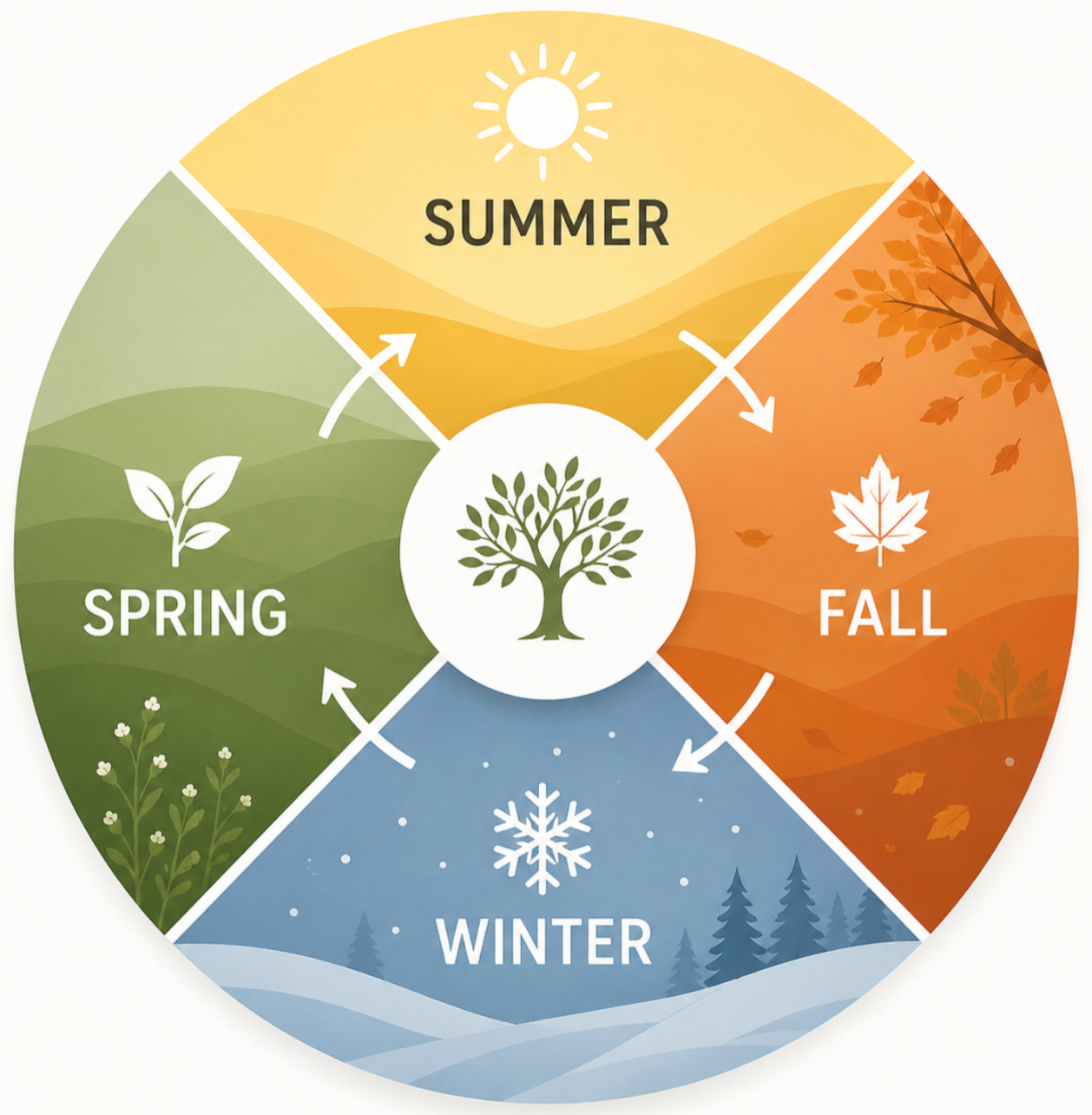
We help students structure their essays using a simple but powerful framework based on the natural flow of a story:
Summer→ Fall →Winter→Spring

01Summer
When everything feels comfortable or familiar.
Like summer vacation—long days, warm air, and a sense that everything is steady and predictable. This is when life feels easy, and nothing seems to be pushing you to change. But stories don’t stay in summer forever.

02Fall
A change, challenge, or turning point.
The air shifts. Days grow shorter. Leaves begin to change. Something happens that disrupts the familiar—an unexpected setback, a difficult class, a moment that doesn’t go as planned. It’s the beginning of something new, even if it feels uncertain.

03Winter
The moment of struggle, tension, or uncertainty.
This is the coldest season—the darkest, most difficult part of the story. Progress feels slow or unclear. Doubt, pressure, and frustration can take over. But this is also where the most meaningful growth begins, even if it isn’t visible yet.

04Spring
Growth, clarity, and what the student learned.
The thaw begins. Light returns. What once felt frozen starts to move again. With reflection and perspective, lessons become clear. This is where students find their voice—understanding not just what they went through, but how it shaped who they are becoming.
This pattern reflects how real growth happens.
Instead of trying to sound impressive, students learn how to:
Show change
Reflect honestly
Communicate growth in a clear and compelling way
This approach helps admissions readers understand not just what a student has done—but who they are becoming.